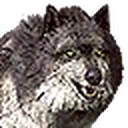

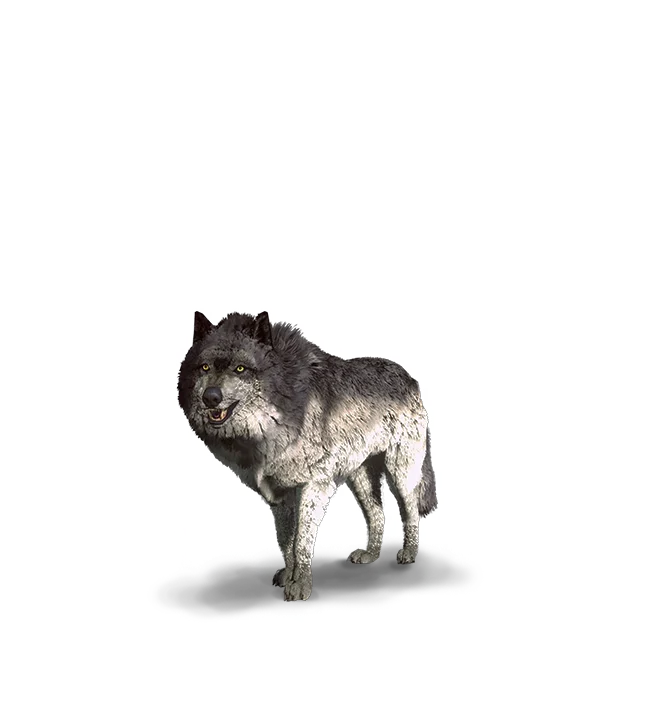
Wolf portrait from The Witcher 3

Wolf

Once upon a time wolves were the absolute rulers of the forest, and in the Witcher world they are still among the most common dangers on the road. They are wild, agile and fairly intelligent pack hunters, found mostly in forests. They usually avoid people but will attack when food is scarce, and as the bestiary puts it, wolves are dangerous for two reasons: their speed and their numbers.

Wolves have no magic, but a pack hunts in a coordinated way and tries to surround its prey. Their tougher kin include the warg, a ferocious subspecies that may lead a pack, and the snow-white wolves that today survive only in the wild highlands of the Skellige archipelago.

In The Witcher 3

Wolves roam the whole mainland and Skellige, starting in White Orchard, and some Skelligers even keep tamed wolves as pets. They also show up in contracts and quests, often alongside leshens and werewolves:

  • Ciri’s Story: The King of the Wolves: playing as Ciri, you kill a pack of wolves to save a lost girl, then face the “King of the Wolves”, who turns out to be a common werewolf.
  • A leshen can summon wolves to fight for it. Those wolves have to be fought with the silver sword.

In Blood and Wine, the Big Bad Wolf of the Land of a Thousand Fables is a much darker take on the fairy-tale wolf.
Across the games
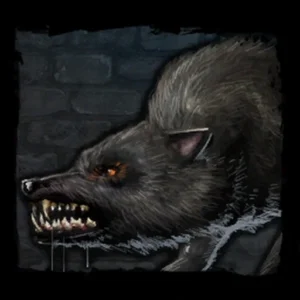
Bestiary picture from The Witcher

In The Witcher, wolves are hunted in Act II and Act III. In Act II, Jean Pierre waits by the landing in the swamp and buys wolf pelts, hoping they will get him appointed Royal Huntsman. Geralt needs ten pelts, and the contract pays 150 orens and 500 to 2,000 XP.

In Act III, the secondary quest White Fang begins once Geralt has killed the great wolf that had been hunting people. He takes its head to the Royal Huntsman in the Trade Quarter as proof and collects 600 orens and 5,000 XP.

Combat strategy

Never let a pack surround you. Listen for the snarl that comes just before a bite and roll away, or block the first attack and then hit the wolf from behind. Parrying works, but it leaves little time to counter, so Signs are the better way to make openings.

  • Beast oil on the steel sword.
  • Igni often sets wolves on fire.
  • Yrden slows attacking wolves, but only while they stay inside the circle.
  • If you’re surrounded, Igni or Aard drives the pack back for a moment.
  • Against a leshen’s wolves, roll so they get caught in the leshen’s own root attacks.

Where to find it

Appears in quests

Loot

Wolf icon from The Witcher 3
Monster Type:
Threat Level:
Effective Signs:
Lore Sources:
SHARE THIS PAGE

Keep exploring

Interactive Tools

Plan a Remastered build: skill trees, mutagens, gear and a shareable build image.

Pick a potion, decoction or bomb and see every ingredient you need.

Answer the key choices and find out which Witcher 3 ending you will get.

Every location, quest and monster in the first region on one map.

The Wolf School's hidden valley: the keep, the Bastion, caves and treasure.

Tick off every school gear diagram and crafted piece, with diagram locations.

Search any monster and see the right oil, Signs and bombs.

weapons

Steel for humans, silver for monsters. Explore the craftsmanship, ancient runes, and legendary blades forged to survive the path.

monster

From bloodthirsty vampires in the shadows of Toussaint to ancient leshens guarding primeval forests. Study their weaknesses before the hunt.

characters

Witchers, sorceresses, kings, and bards. Uncover the complex histories, alliances, and fates of those who shape the Continent.

armor

Grandmaster gear from the schools of the Wolf, Cat, and Bear. Discover the protection and hidden powers of legendary witcher armor.